





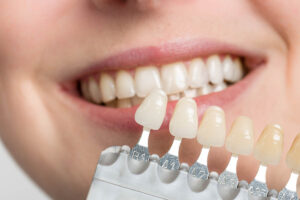





Dental health plays a vital role in overall well-being. Healthy teeth and gums support proper nutrition, clear speech, confidence, and long-term systemic health. Ignoring oral care can lead to discomfort, infections, and chronic conditions that extend beyond the mouth.
This guide explores essential dental care practices, common dental issues, and professional treatments that help maintain lifelong oral health.
Understanding Dental Health
Dental health refers to the condition of your teeth, gums, and the entire oral cavity. Good oral hygiene prevents decay, gum disease, and bad breath while preserving the natural structure of teeth.
Key components of dental health include:
-
Strong tooth enamel
-
Healthy gum tissue
-
Balanced oral bacteria
-
Regular professional care
Neglecting any of these elements can increase the risk of oral and systemic diseases.
Importance of Good Oral Hygiene
Daily oral hygiene is the foundation of dental health. It removes plaque, controls bacteria, and prevents damage to teeth and gums.
Core oral hygiene practices include:
-
Brushing teeth twice daily with fluoride toothpaste
-
Flossing once a day to clean between teeth
-
Using mouthwash to reduce bacteria
-
Cleaning the tongue to prevent odor-causing microbes
Consistent care significantly lowers the chances of cavities and gum inflammation.
Common Dental Problems
Many dental issues develop gradually and may not cause pain in early stages. Recognizing them early helps prevent serious complications.
Tooth Decay (Cavities)
Cavities form when plaque bacteria produce acids that erode enamel. If untreated, decay can reach the inner pulp, causing pain and infection.
Gum Disease
Gum disease starts as gingivitis, marked by redness and bleeding. Advanced stages, known as periodontitis, can lead to tooth loss and bone damage.
Tooth Sensitivity
Sensitivity occurs when enamel wears down or gums recede, exposing dentin. It often causes discomfort when consuming hot, cold, or sweet foods.
Bad Breath
Persistent bad breath is usually linked to poor oral hygiene, gum disease, or dry mouth.
Preventive Dental Care
Prevention is more effective and affordable than treatment. Simple habits and routine dental visits can preserve oral health for years.
Effective preventive measures include:
-
Limiting sugary foods and beverages
-
Drinking plenty of water
-
Using dental sealants when recommended
-
Wearing mouthguards during sports
-
Avoiding tobacco products
Preventive care not only protects teeth but also reduces the risk of costly procedures.
Professional Dental Treatments
Even with excellent home care, professional dental services are essential for maintaining optimal oral health.
Dental Cleanings
Professional cleanings remove hardened plaque (tartar) that brushing cannot eliminate.
Fillings and Restorations
Fillings repair cavities and restore tooth structure. Modern materials closely match natural teeth.
Root Canal Therapy
This treatment saves infected teeth by removing damaged pulp and sealing the root canal.
Orthodontic Care
Braces and aligners correct misaligned teeth, improving both function and appearance.
Cosmetic Dentistry
Procedures such as whitening, veneers, and bonding enhance smile aesthetics while supporting confidence.
Dental Health Across Different Life Stages
Oral care needs change with age, making tailored dental habits essential.
-
Children: Focus on cavity prevention and proper brushing techniques
-
Adults: Emphasize gum health and stress-related dental issues
-
Seniors: Address dry mouth, tooth wear, and restorative care
Lifelong attention to dental health supports comfort and quality of life.
FAQs
How often should I visit the dentist?
Most individuals should see a dentist every six months, though some may need more frequent visits based on oral health conditions.
Can dental problems affect overall health?
Yes, poor oral health has been linked to heart disease, diabetes complications, and respiratory infections.
Is bleeding gums normal?
No, bleeding gums often indicate gingivitis or early gum disease and should be evaluated by a dental professional.
Are electric toothbrushes better than manual ones?
Electric toothbrushes can be more effective at plaque removal, especially for individuals with limited dexterity.
What causes tooth discoloration?
Common causes include coffee, tea, tobacco, aging, medications, and poor oral hygiene.
How can I prevent cavities naturally?
Maintaining good oral hygiene, limiting sugar intake, drinking fluoridated water, and eating tooth-friendly foods help prevent cavities.
Does stress affect dental health?
Yes, stress can contribute to teeth grinding, jaw pain, and gum disease due to weakened immune response.


