










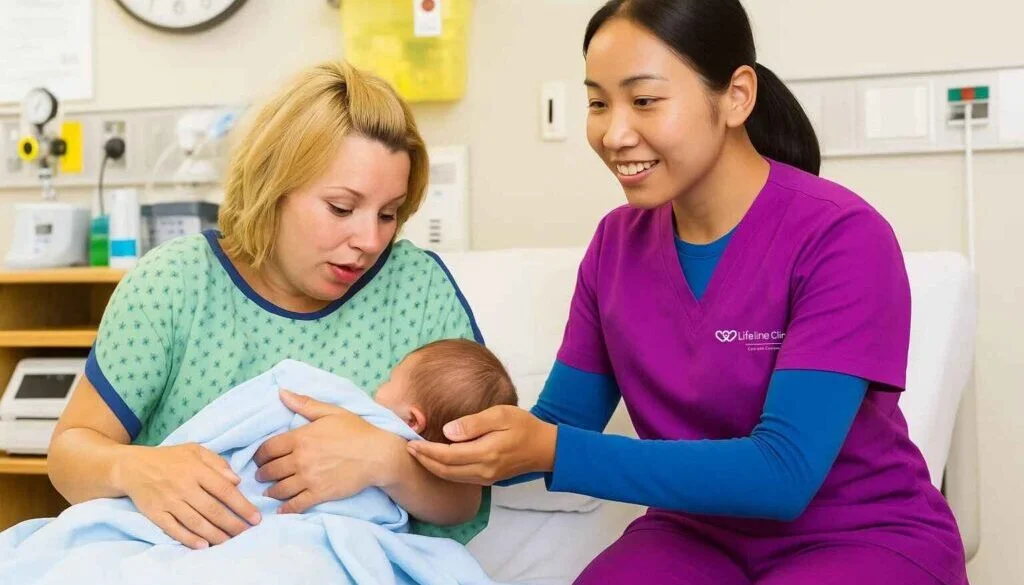
Welcoming a newborn is one of life’s most beautiful experiences — but for new mothers, the weeks following childbirth are equally critical. While much attention is given to pregnancy care, postnatal recovery often receives less focus. In a city like Dubai, where families balance busy lifestyles with limited extended family support, postnatal home care has become an essential service for ensuring a safe and healthy recovery.
This article explores structured recovery protocols for new mothers and why professional home-based pregnancy care services are becoming increasingly important in Dubai.
Why Postnatal Care Matters as Much as Pregnancy Care
During pregnancy, women receive regular medical supervision, nutritional advice, and wellness monitoring. However, after delivery, the body undergoes significant physical and emotional adjustments, including:
- Hormonal fluctuations
- Uterine contraction and healing
- C-section or episiotomy recovery
- Breastfeeding challenges
- Sleep deprivation and fatigue
Without proper care, these changes can lead to complications such as infections, delayed wound healing, postpartum depression, or nutritional deficiencies.
Postnatal home care bridges the gap between hospital discharge and full recovery by providing personalized, structured support in the comfort of the mother’s home.
Core Recovery Protocols in Postnatal Home Care
Professional pregnancy care providers in Dubai often follow evidence-based recovery frameworks designed to monitor and support both mother and baby.
- Maternal Health Monitoring
After childbirth, regular assessment of vital signs is essential. Home care nurses typically monitor:
- Blood pressure
- Body temperature
- Heart rate
- Postpartum bleeding (lochia)
- C-section or perineal wound healing
Early detection of warning signs such as excessive bleeding, infection, or abnormal pain ensures prompt medical intervention.
- Pain Management & Wound Care
For mothers who have undergone cesarean delivery or episiotomy, wound care is a priority. Proper cleaning, dressing changes, and infection prevention protocols reduce complications.
Trained caregivers also guide mothers on:
- Safe movement techniques
- Positioning for comfort
- Gradual return to mobility
This structured support accelerates physical recovery and prevents strain-related setbacks.
- Breastfeeding Support & Lactation Guidance
Breastfeeding can be physically and emotionally demanding. Professional postnatal pregnancy care services include lactation support, helping mothers with:
- Correct latch techniques
- Managing engorgement
- Preventing mastitis
- Increasing milk supply
- Identifying feeding cues
In Dubai’s multicultural environment, many first-time mothers benefit from culturally sensitive guidance and reassurance during this learning phase.
- Nutritional Support for Recovery
Nutrition plays a vital role in postpartum healing. After delivery, a mother’s body requires:
- Increased protein for tissue repair
- Iron to restore blood levels
- Calcium for bone health
- Hydration for milk production
Postnatal care professionals often provide dietary recommendations aligned with pregnancy care protocols to ensure continued nutritional balance.
- Mental & Emotional Wellbeing Monitoring
Hormonal shifts after childbirth can trigger mood swings, anxiety, or postpartum depression. Structured home visits allow healthcare professionals to assess emotional wellbeing and identify early signs of:
- Persistent sadness
- Lack of bonding with the baby
- Sleep disturbances unrelated to newborn care
- Severe anxiety
Early support and referrals make a significant difference in maternal mental health outcomes
The Advantage of Postnatal Home Care in Dubai
Dubai’s fast-paced urban lifestyle means many families do not have extended family members readily available for support. Postnatal home care services offer:
- Privacy and comfort at home
- Reduced hospital visits
- Personalized one-on-one attention
- Flexible scheduling
- Continuity of pregnancy care into the postpartum phase
For working families or expatriate residents, home-based support provides reassurance during a vulnerable time.
When Should Postnatal Care Begin?
Ideally, postnatal support should start immediately after hospital discharge and continue for at least the first 2–6 weeks, depending on individual recovery needs.
High-risk mothers — including those with gestational diabetes, high blood pressure during pregnancy, or surgical delivery — may require extended monitoring.
Integrating postnatal services with ongoing pregnancy care planning ensures a seamless transition from prenatal to postpartum health management.
Who Can Benefit Most?
Postnatal home care is especially beneficial for:
- First-time mothers
- Mothers recovering from C-section
- Women with high-risk pregnancies
- Mothers experiencing breastfeeding challenges
- Families without nearby support systems
However, any new mother can benefit from structured recovery assistance.
Final Thoughts
Just as pregnancy care lays the foundation for a healthy delivery, structured postnatal care ensures a smooth and safe recovery. In Dubai, where professional home healthcare services are increasingly accessible, new mothers no longer have to navigate postpartum recovery alone.
Postnatal home care provides medical monitoring, emotional reassurance, nutritional guidance, and lactation support — all within the comfort of home. Investing in structured postpartum recovery isn’t a luxury; it’s a proactive step toward long-term maternal health and overall family wellbeing.


