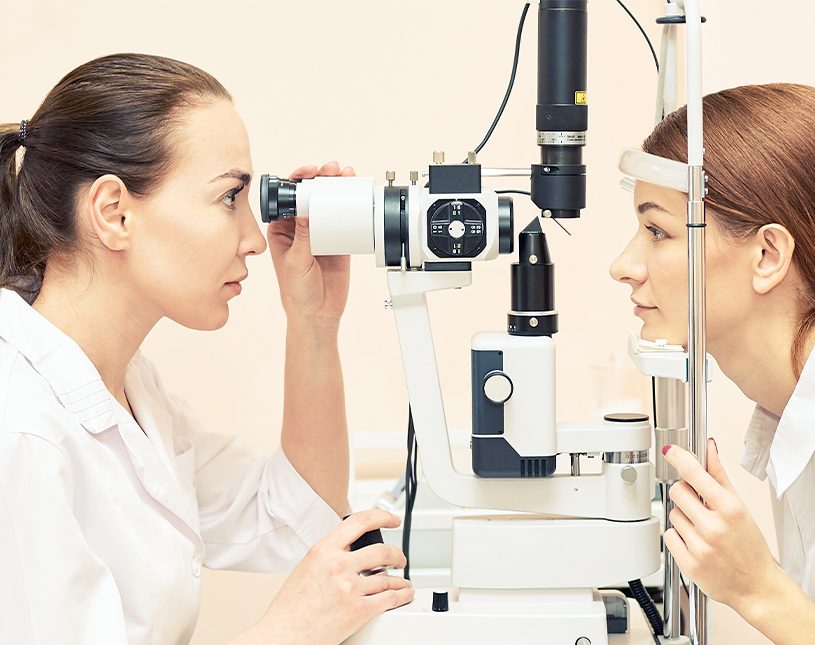









A doctor is a trained medical professional dedicated to diagnosing, treating, and preventing illnesses while promoting overall well-being. From routine checkups to life-saving interventions, doctors play a central role in healthcare systems across the world. Their work combines scientific knowledge, clinical expertise, and compassionate care to improve and protect human life.
Who Is a Doctor?
A doctor is a licensed healthcare professional who has completed extensive education and clinical training in medicine. Doctors assess symptoms, perform examinations, interpret medical tests, and create treatment plans tailored to each patient’s needs.
They work in diverse environments such as hospitals, clinics, research institutions, and community health centers, often collaborating with nurses, pharmacists, and specialists.
Types of Doctors and Their Specializations
Medicine offers many career paths, each focused on specific aspects of health. Common types of doctors include:
-
General Physicians – Provide primary care, diagnose common conditions, and manage overall health
-
Surgeons – Perform operations to treat injuries, diseases, and deformities
-
Pediatricians – Specialize in the health of infants, children, and adolescents
-
Cardiologists – Focus on heart and blood vessel conditions
-
Dermatologists – Treat skin, hair, and nail disorders
-
Psychiatrists – Address mental health conditions through therapy and medication
Each specialization requires additional training and expertise beyond basic medical education.
Key Responsibilities of a Doctor
Doctors carry significant responsibility in maintaining public health. Their core duties include:
-
Diagnosing illnesses through physical exams and diagnostic tests
-
Prescribing treatments such as medications, therapies, or procedures
-
Preventing diseases through screenings, vaccinations, and lifestyle guidance
-
Monitoring patient progress and adjusting treatment plans
-
Educating patients about health conditions and preventive care
Their decisions often have long-term impacts on patients’ quality of life.
Education and Training Required to Become a Doctor
Becoming a doctor is a demanding journey that requires years of dedication. The typical path includes:
-
Completion of a medical degree from an accredited institution
-
Clinical internships and residencies for hands-on experience
-
Specialization training for focused medical fields
-
Passing licensing and board examinations
Continuous learning is essential, as medical knowledge and technology evolve constantly.
Skills That Make a Great Doctor
Beyond academic knowledge, successful doctors possess a wide range of professional and personal skills:
-
Strong communication to explain conditions and treatments clearly
-
Critical thinking for accurate diagnosis and decision-making
-
Empathy and compassion to support patients emotionally
-
Attention to detail in medical records and treatment plans
-
Stress management in high-pressure situations
These skills help build trust and improve patient outcomes.
The Importance of Doctors in Society
Doctors are vital to the health and stability of communities. They not only treat illness but also contribute to disease prevention, health education, and medical research. During public health crises, doctors often serve on the front lines, providing care and guidance when it is needed most.
Their work supports longer life expectancy, better quality of life, and healthier populations.
Challenges Faced by Doctors Today
Modern doctors face several challenges, including:
-
Heavy workloads and long working hours
-
Emotional strain from dealing with critical illnesses
-
Rapid advancements in medical technology
-
Balancing patient care with administrative duties
Despite these challenges, many doctors remain deeply committed to their profession and patients.
Frequently Asked Questions (FAQ)
1. What is the difference between a general doctor and a specialist?
A general doctor provides primary care for common health issues, while a specialist focuses on a specific area of medicine after additional training.
2. How long does it take to become a doctor?
It typically takes 10–15 years, including education, training, and specialization, depending on the medical field.
3. Can doctors work outside hospitals?
Yes, doctors can work in clinics, research centers, universities, telemedicine platforms, and public health organizations.
4. Why is continuous education important for doctors?
Medical knowledge changes rapidly, so ongoing learning helps doctors provide safe, effective, and up-to-date care.
5. Do doctors only treat illnesses?
No, doctors also focus on disease prevention, health education, and promoting healthy lifestyles.
6. What qualities should patients look for in a doctor?
Patients often value clear communication, empathy, experience, and a willingness to listen.
7. Are all doctors allowed to prescribe medication?
Most licensed doctors can prescribe medications, though prescribing rights may vary by country and specialization.