








Choosing the right dental treatment to enhance or restore your smile can feel like a daunting task. Modern cosmetic and restorative dentistry offers incredibly advanced options, meaning you no longer have to live with chipped, misaligned, or missing teeth. The three most common pathways to a completely transformed smile are veneers, crowns, and dental implants.
While each procedure can deliver a brilliant aesthetic result, they serve vastly different structural purposes. Understanding the unique benefits, timelines, and biological impacts of these treatments is essential before booking your consultation with an Australian dental professional.
Dental Veneers: The Ultimate Aesthetic Facelift
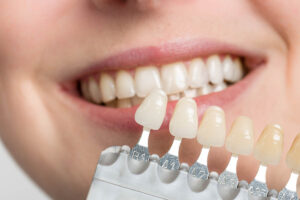
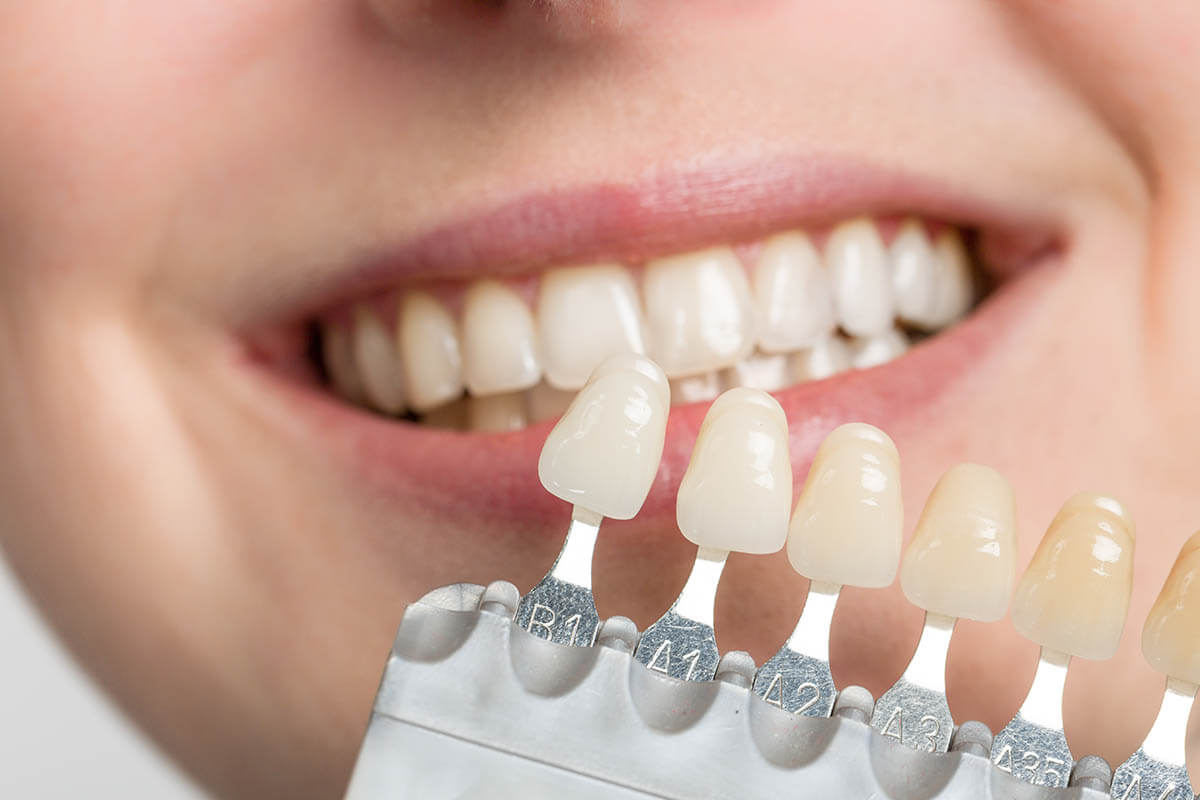
Dental veneers are ultra-thin shells of custom-made porcelain or composite resin designed to cover the front surface of your teeth. Think of them as a permanent aesthetic facade. They are ideally suited for individuals who possess healthy, stable teeth but want to correct superficial flaws such as stubborn discolouration, minor crowding, uneven gaps, or small chips.
The primary advantage of traditional veneers is conservative preparation; a dentist only needs to shave away a fraction of a millimetre of enamel to ensure a seamless fit. Once bonded, porcelain veneers resist stains beautifully and mimic the light-reflecting properties of natural enamel. However, because they rely heavily on the underlying tooth structure for support, they are not suitable for heavily broken down, decayed, or severely misaligned teeth.
Dental Crowns: Robust Protection for Damaged Teeth
When a tooth has lost its structural integrity due to a large cavity, a root canal treatment, or a significant fracture, a veneer is no longer a viable option. This is where dental crowns step in. Often referred to as “caps,” crowns completely enclose the visible portion of a damaged tooth right down to the gum line.
Unlike a veneer that only masks the front face, a crown restores the original shape, size, and function of a compromised tooth while protecting it from further breakage. Crafting a crown requires more substantial preparation, as the existing tooth must be trimmed down on all sides to accommodate the thickness of the porcelain or ceramic cap. It is a highly durable solution built to withstand the heavy biting forces of your back molars, making it a functional necessity rather than a purely cosmetic choice.
Navigating the Decision Matrix
Selecting the perfect pathway depends entirely on the current health of your mouth and your long-term smile goals. If your goals are purely cosmetic and your teeth are structurally sound, veneers will likely give you that flawless look with minimal fuss. If you have worn-down, heavily filled, or cracked teeth, crowns will provide the structural reinforcement you desperately need to chew without pain. For empty gaps, implants are unmatched in longevity and oral health preservation.
Interestingly, you do not always have to choose just one modality. Advanced practitioners frequently combine these options to tackle complex aesthetic challenges. For instance, complex dental cases now have solutions through hybrid veneers approaches that intelligently blend the conservative beauty of veneers with the structural reinforcement of localized crowns to deliver a balanced, uniform smile.
Embracing Modern Clinical Innovation
The materials and techniques used across all three procedures have advanced dramatically over the last decade. Dentists now utilize digital smile design software, intraoral scanners, and 3D printing to map out your treatment with microscopic precision before any clinical work begins. This level of accuracy means less time spent in the dental chair, highly predictable aesthetic outcomes, and a much gentler experience for the patient.
Furthermore, the entire dental industry is shifting toward materials that prioritize long-term biocompatibility and holistic wellness. Patients can feel confident knowing that sustainable dentistry is evolving rapidly, steering modern practices toward eco-friendly clinical environments, toxin-free materials, and restorative techniques designed to harmonize perfectly with your body’s natural biology. Consulting a qualified clinical professional will allow you to explore these innovations firsthand and tailor a bespoke treatment plan perfectly suited to your unique smile.


